Payroll compliance in the Philippines is not optional. Employers are legally required to follow Department of Labor and Employment (DOLE), Bureau of Internal Revenue (BIR), and government agency rules when paying employees.
Failure to comply with payroll laws is one of the top reasons employers face DOLE inspections, employee complaints, penalties, and legal disputes.
This 2026 payroll compliance guide for employers explains everything you need to know—from salary computation to final pay—so you can run payroll correctly, legally, and confidently.
This guide is especially useful for:
• Business owners and employers
• HR and payroll officers
• Startup founders
• Companies managing employees in the Philippines
What Is Payroll Compliance in the Philippines?
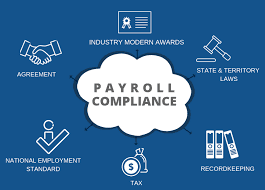
Payroll compliance means following all Philippine labor, tax, and social security laws when compensating employees. This includes paying correct wages, providing mandatory benefits, withholding the correct taxes, and keeping proper payroll records.
Payroll compliance applies to:
• Regular employees
• Probationary employees
• Project-based and fixed-term employees
• Rank-and-file employees
Non-compliance—whether intentional or accidental—can result in serious consequences.
Why Payroll Compliance Matters for Employers
Under Philippine labor laws, employers are required to:
• Pay employees correctly and on time
• Compute wages, overtime, and benefits accurately
• Remit government contributions properly
• Withhold and remit income tax correctly
• Maintain complete payroll records
Failure to comply may result in:
• DOLE inspections and audits
• Employee complaints
• Back pay and penalties
• Legal disputes and reputational damage
Payroll compliance protects both employers and employees.
Correct Salary Computation
One of the most common payroll compliance issues is incorrect salary computation.
Common mistakes include:
• Using the wrong number of working days
• Incorrect daily or hourly rate computation
• Improper salary proration
• Errors in probationary or part-time pay
Even small errors can lead to mistrust and labor complaints.
Employers should always verify payroll using a Salary Calculator Philippines to ensure accurate salary computation.
Overtime Pay, Holiday Pay, and Night Differential
DOLE strictly regulates overtime, holiday pay, and night differential.
Employers must apply different rates depending on:
• Regular working days
• Rest days
• Special non-working holidays
• Regular holidays
• Night work between 10:00 PM and 6:00 AM
Incorrect overtime computation is a frequent cause of labor disputes.
Employers should follow proper Overtime Pay Computation Philippines rules to remain compliant.
13th Month Pay Compliance
The 13th month pay is mandatory for all rank-and-file employees who have worked at least one month during the calendar year.
Common violations include:
• Late payment
• Incorrect computation
• Excluding qualified employees
• Unauthorized deductions
This is one of the most reported DOLE violations every year.
Employers should follow the correct rules and use a 13th Month Pay Calculator to avoid errors.
Government-Mandated Contributions
Employers are required to remit accurate and timely contributions for:
• SSS
• PhilHealth
• Pag-IBIG Fund
Common compliance mistakes include:
• Under-remittance
• Late remittance
• Using outdated contribution tables
These errors may result in penalties, interest, and government audits.
Employers should regularly review updated contribution schedules and verify deductions before payroll release.
Income Tax Withholding Compliance
Employers act as withholding agents for income tax and must compute and remit taxes correctly.
Common payroll tax mistakes include:
• Over-withholding or under-withholding
• Misclassifying taxable and non-taxable benefits
• Ignoring updated BIR tax rules
Incorrect tax computation affects employee take-home pay and exposes employers to BIR penalties.
Employers should review Salary Tax Computation Philippines guidelines to ensure compliance.
Mandatory Employee Benefits
Employee benefits are not optional. Philippine labor laws clearly define mandatory benefits that employers must provide.
These include:
• Minimum wage compliance
• 13th month pay
• Service Incentive Leave (SIL)
• Holiday pay
• Overtime pay
• Government contributions
Many DOLE complaints arise from misunderstanding employee benefit entitlements.
Employers should review the complete guide on Employee Benefits Employers Must Provide in the Philippines.
Final Pay and Separation Pay Compliance
Final pay (last pay) refers to all compensation due to an employee upon separation, whether due to resignation, termination, or end of contract.
Final pay may include:
• Unpaid salary
• Pro-rated 13th month pay
• Unused leave conversion
• Separation pay (if applicable)
• Tax adjustments
DOLE requires final pay to be released within a reasonable period, commonly interpreted as within 30 days from the last working day.
Errors or delays are a major source of labor complaints.
Employers should follow the Final Pay Computation Guide for Employers (2026).
Payroll Record-Keeping Requirements
DOLE requires employers to maintain complete payroll records, including:
• Payslips
• Timekeeping records
• Proof of salary payment
• Government contribution records
Even if salaries are paid correctly, missing records may still result in non-compliance during inspections.
Employers should keep payroll records for at least three years.
Common Payroll Compliance Mistakes Employers Make
Many compliance issues happen due to:
• Manual payroll processing
• Outdated labor rules
• Poor documentation
• Lack of payroll verification
To avoid these issues, employers should review Payroll Mistakes Employers Make in the Philippines.
Best Practices for Payroll Compliance in 2026
To stay compliant, employers should:
• Follow updated DOLE and BIR rules
• Use reliable payroll and salary calculators
• Double-check computations before payroll release
• Maintain proper payroll documentation
• Train HR and payroll staff regularly
Automation and payroll tools significantly reduce compliance risks.
Disclaimer
This article is for general informational purposes only and does not constitute legal or professional advice. Labor laws and payroll regulations may change. Employers are encouraged to consult DOLE advisories, BIR guidelines, or licensed professionals for specific concerns.
Final Thoughts
Payroll compliance is not just about paying salaries—it is about paying correctly, transparently, and on time.
By following this payroll compliance guide for employers in the Philippines, businesses can reduce legal risk, avoid DOLE issues, and build trust with employees.
A compliant payroll system is not just a legal requirement—it is good business practice.